How is Contrast Administered for a CT Scan: Methods Explained

Key Takeaways
- CT contrast can be administered via three main routes: intravenously (IV), orally, or rectally, depending on the body structures to be visualized.
- IV contrast administration typically causes a warm sensation and metallic taste that lasts only a few minutes, while oral contrast may require drinking up to 1,000 mL of solution.
- Iodine-based contrast is most common for IV administration, while barium sulfate is typically used for oral and rectal administration to enhance gastrointestinal imaging.
- Radiology professionals precisely control the timing of contrast administration to capture specific "phases" of contrast enhancement, revealing different aspects of organ function.
- Proper radiologist supervision during contrast administration is critical for patient safety—ContrastConnect provides CMS-compliant virtual supervision with radiologists who manage 5–10 contrast reactions daily.
What Happens During Contrast Administration for CT Scans
Contrast administration is a standard procedure that enhances the visibility of organs, blood vessels, and tissues during a CT scan. The contrast material temporarily changes how X-rays interact with your body, making specific structures stand out clearly on the resulting images.
Depending on which part of your body is being examined, contrast may be administered through one or more routes: intravenously (through a vein), orally (by mouth), or rectally. Each method serves a specific purpose and helps radiologists accurately diagnose medical conditions that might otherwise remain hidden. While the administration is routine, the supervision of this process is critical for facility compliance and patient safety.
Before your procedure begins, a healthcare professional will explain which type of contrast you'll receive and how it will be administered. They'll also ask about allergies, medical conditions, and medications that might affect your body's reaction to the contrast material. This screening process is crucial for your safety, as certain conditions like kidney disease may require adjustments to the type or amount of contrast used.
ContrastConnect: Virtual Contrast Supervision That Never Misses
Built by Radiologists | Trusted Nationwide | 55,000+ Monthly Contrast Exams

Built for Imaging Networks:
- Virtual Contrast Supervision: Radiologists provide immediate CMS-compliant supervision through a secure, HIPAA-compliant platform for outpatient facilities and hospital networks.
- Unmatched Experience: Averaging 5–10 contrast reactions daily with documented zero missed responses for 200+ imaging partners.
The ContrastConnect Difference:
- ✓ Radiologist-owned with superior clinical expertise
- ✓ Always-on platform with guaranteed compliance
- ✓ Audit-ready documentation for CMS reviews
- ✓ Cost-efficient alternative to onsite staffing
Safety & Compliance You Trust:
Helping imaging centers reduce cancellations, extend hours, and scale operations without adding on-site radiologists. Response times measured in seconds.
Types of Contrast Media Used in CT Imaging
Iodine-Based Contrast
Iodine-based contrast is the most common type used for intravenous administration in CT scans. These water-soluble compounds contain iodine atoms that absorb x-rays more effectively than surrounding tissues.
When injected into your bloodstream, iodine-based contrast quickly circulates throughout your body, enhancing blood vessels and highly vascular organs like the liver, kidneys, and lungs.
The concentration and volume of iodine contrast administered depends on several factors including your body weight, kidney function, and the specific imaging protocol being performed. Ensuring the correct dosage is vital for maintaining patient safety standards.
Barium Sulfate Contrast
Barium sulfate is a chalky, white compound specifically used to enhance images of the gastrointestinal tract. Unlike iodine-based agents, barium is not absorbed into the bloodstream, making it ideal for coating and visualizing the inner lining of the digestive tract.
It comes in several forms, including powder (mixed with water before administration), liquid suspensions, paste, and tablets. The concentration and volume vary based on which part of the GI tract needs examination.
How Contrast Materials Work in Your Body
Contrast materials function by temporarily altering how X-rays interact with body tissues. Normal tissues like muscle, fat, and organs absorb X-rays to varying degrees, creating natural contrast on images. However, some structures, particularly blood vessels and soft tissues, may appear similar on standard CT images, making diagnosis difficult.
Contrast materials contain elements (typically iodine or barium) that strongly absorb X-rays, appearing bright white on CT images and creating artificial contrast between structures that would otherwise look similar.
When iodine contrast enters your bloodstream, it quickly distributes throughout your vascular system and into organs with high blood flow. This distribution follows predictable patterns over time, allowing radiologists to capture images during specific "phases" that highlight different anatomical features.
The timing precision required during these phases is one reason why immediate radiologist availability is essential—any delay in responding to a reaction could compromise both patient safety and image quality.
Oral Contrast: Drinking Your Way to Better Images

When Oral Contrast is Needed
Oral contrast is primarily used for abdominal and pelvic CT scans when detailed visualization of the digestive tract is necessary. It's vital for detecting inflammatory bowel conditions, tumors, obstructions, or infections within the gastrointestinal system.
Doctors might request oral contrast if they suspect conditions like appendicitis, diverticulitis, Crohn's disease, or gastrointestinal cancers. Facilities often coordinate compliance and protocols to ensure the timing of oral contrast ingestion aligns perfectly with the scanner availability.
What to Expect When Taking Oral Contrast
When arriving for a CT scan, patients are given the contrast solution with specific instructions on when and how much to drink. Typically, drinking starts 1–2 hours before the scan to allow it to move through the digestive system. Patients are usually asked to consume between 450–1,000 mL of contrast solution, depending on the exam protocol.
The radiologist may request consuming the contrast in divided doses, for example, one cup every 15 minutes, to ensure continuous coating of the digestive tract. After drinking the solution, patients might need to wait in the reception area until it is time for the scan.
IV Contrast: The Most Common Administration Method
Step-by-Step IV Contrast Procedure
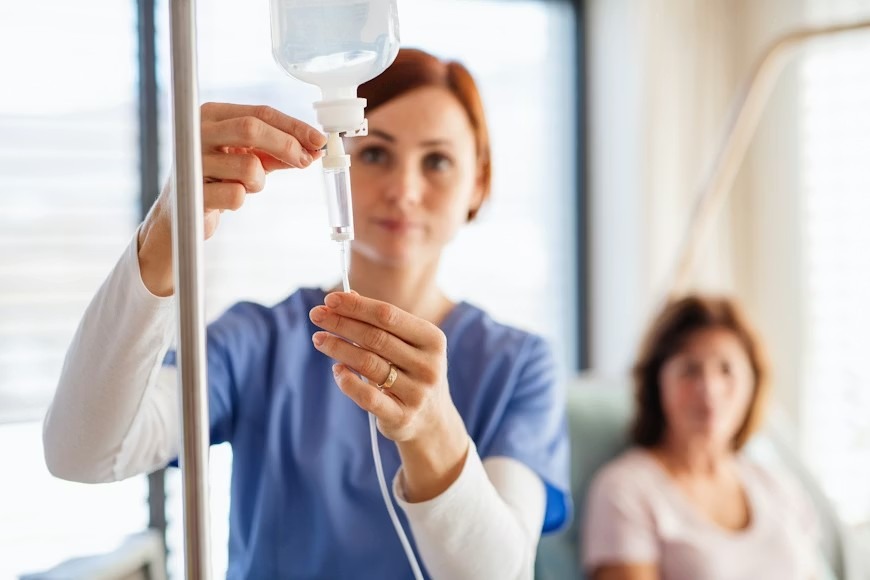
The IV contrast procedure begins with a healthcare professional assessing veins, typically in the arm or hand, to find the best injection site. They will clean the area with an antiseptic solution before inserting a small needle connected to a catheter (IV line).
Once the IV is secured, it may be connected to an automatic injector—a specialized machine that delivers contrast at a precisely controlled rate. For most CT scans, the contrast is injected at a rate of 2–5 milliliters per second, with the total volume determined by body weight and the specific exam protocol.
The actual injection typically takes only 20–30 seconds, after which the scanner automatically begins taking images at predetermined intervals to capture the contrast as it moves through the body.
While most patients tolerate IV contrast without issues, reactions can occur. These range from mild (hives, itching, nausea) to rare but serious anaphylactic responses. Having immediate access to a supervising radiologist ensures that any reaction—whether mild or severe—is managed promptly and appropriately.
IV Contrast Timing and Phases
IV contrast works remarkably quickly, beginning to enhance blood vessels and tissues within seconds after injection.
- Arterial Phase: Occurs 15–25 seconds after injection. Contrast fills the arteries, making it ideal for checking for aneurysms or bleeding.
- Portal Venous Phase: Occurs 60–90 seconds after injection. This is the most common phase for abdominal imaging, highlighting the liver and other organs.
- Delayed Phase: Occurs several minutes later. This phase is useful for characterizing certain tumors or evaluating the urinary tract.
The enhancement effect gradually diminishes as kidneys filter the contrast from the bloodstream, with most of the visible enhancement effect dissipating within an hour after injection. Efficient virtual contrast supervision ensures that if any adverse reaction occurs during these rapid phases, a radiologist is immediately available to intervene.
Disclaimer: While this information is based on standard medical protocols, individual scan timings may be adjusted by a radiologist based on a patient's cardiac output or the specific diagnostic question being asked.
Rectal Contrast: When and Why It's Used
Procedure for Receiving Rectal Contrast
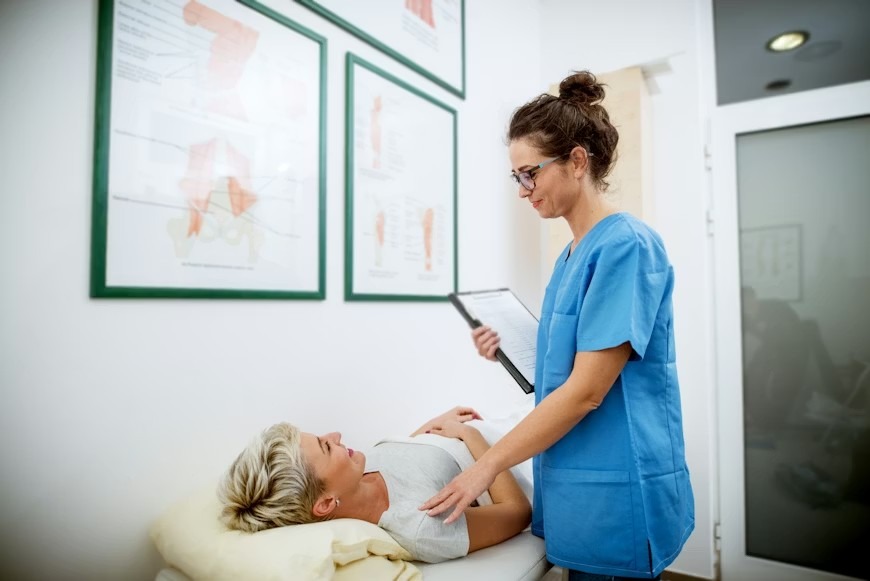
The rectal contrast procedure begins with the patient lying on their side on the examination table. A lubricated, soft-tipped enema tube is gently inserted into the rectum by a trained healthcare professional. The contrast solution flows gradually into the colon through gravity or very gentle pressure.
Typically, 100–500 mL of contrast material is administered, though the exact volume depends on the patient's comfort level and the extent of the colon that needs visualization. While many patients feel apprehensive about rectal contrast administration, the procedure is designed to minimize discomfort. Communicating openly with the technologist about any discomfort helps ensure a smoother experience.
The contrast is usually warmed to body temperature, and the flow rate is adjusted based on patient tolerance. You may experience a sensation of fullness or the urge to have a bowel movement during the procedure, which is normal. After the imaging is complete, you'll be directed to a bathroom to expel the contrast material.
Advantages of Rectal Contrast
The main advantage of rectal contrast is that it provides superior distension and coating of the colon compared to oral contrast alone. When the colon is adequately distended with contrast, radiologists can more easily distinguish normal anatomy from abnormalities. This method is particularly valuable for evaluating suspected fistulas (abnormal connections between organs), abscesses near the bowel, or surgical anastomoses.
Safe Contrast Administration with ContrastConnect
Understanding how contrast is administered for CT scans helps patients feel more confident and prepared for their imaging procedures. Whether receiving IV, oral, or rectal contrast, proper supervision by qualified radiologists is essential for patient safety—especially when managing rare but potentially serious contrast reactions.
For imaging facilities and hospital networks, ensuring consistent, compliant supervision across every contrast exam is equally critical. Radiologist shortages, cancelled scans, and compliance pressures can compromise both patient care and operational efficiency.
At ContrastConnect, we address these challenges by providing CMS, ACR, and ASRT-compliant virtual contrast supervision for outpatient imaging facilities and hospital networks nationwide. Our experienced radiologists supervise more than 55,000 contrast exams monthly and manage 5–10 contrast reactions daily through our secure, HIPAA and HITECH-compliant platform.
For facilities facing coverage gaps or compliance concerns, our virtual supervision solution delivers consistent coverage, audit-ready documentation, and the clinical expertise needed to keep patients safe—without adding on-site radiologists. We help facilities extend hours, open new sites, and reduce cancellations.
Ready to ensure safe, compliant contrast administration at your facility? Contact ContrastConnect today to learn how our virtual supervision platform can support your team.
Start Your Coverage Assessment →
Frequently Asked Questions
Does contrast injection for CT scans hurt?
The initial needle insertion for IV contrast causes a brief pinch similar to having blood drawn. During injection, you'll experience a warming sensation throughout your body and possibly a metallic taste—these are normal and resolve within 1–2 minutes. Oral contrast is painless, though the taste may be unpleasant.
How long does contrast stay in your system after a CT scan?
IV contrast is primarily eliminated through your kidneys within 24 hours, with complete clearance typically occurring within 48–72 hours. Oral contrast passes through your digestive system and is eliminated in stool within 24–48 hours. Staying well-hydrated after your scan helps flush contrast from your system more efficiently.
Can I drive home after receiving contrast for a CT scan?
Yes, most patients can safely drive themselves home after receiving contrast. The contrast material doesn't cause drowsiness or impair coordination. However, if you experience an allergic reaction or feel unwell after your scan, do not drive and follow the facility's staff recommendations.
How does virtual contrast supervision work for imaging facilities?
Virtual contrast supervision connects imaging facilities to experienced radiologists through a secure, HIPAA-compliant platform. The radiologist is immediately available via real-time audio and video to supervise contrast administration, respond to reactions, and ensure CMS compliance—without needing to be physically on-site. This allows facilities to maintain coverage during staffing gaps, extended hours, or across multiple locations.
What makes ContrastConnect different from onsite radiologist staffing or locums?
At ContrastConnect, we offer a cost-efficient, always-on alternative to onsite staffing or locums coverage. Our radiologists supervise over 55,000 contrast exams monthly—far more than a typical onsite provider—giving facilities access to unmatched clinical expertise in managing contrast reactions. With response times measured in seconds and audit-ready documentation, facilities can maintain compliance and extend coverage without the cost and complexity of hiring additional on-site radiologists.
*Note: Information provided is for general guidance only and does not constitute medical, legal, or financial advice. Pricing estimates and regulatory requirements are current at the time of writing and subject to change. For personalized consultation on imaging center operations and virtual contrast supervision, contact ContrastConnect.
Trusted Nationwide








54,000+
Contrast exams supervised monthly
44,000+
Hours of supervision monthly
2,200+
Technologists certified
0s
Of imaging partners nationwide
30+
Contrast reactions treated monthly
0%
Requested hours covered
Connect with us.

